
Complete Whole House Water Solutions—engineered to give your home cleaner, softer, and better-tasting water from every tap.
Understanding Your Home’s Water Quality
Whether your home uses city water or private well water, the quality of your water can vary more than you think. Municipal water is treated to meet EPA drinking water standards, but that doesn’t mean it’s free from all contaminants. Even after treatment, city water may still contain chlorine, chloramines, sediments, heavy metals, chemicals, and disinfectant by-products that affect taste, odor, and long-term health.
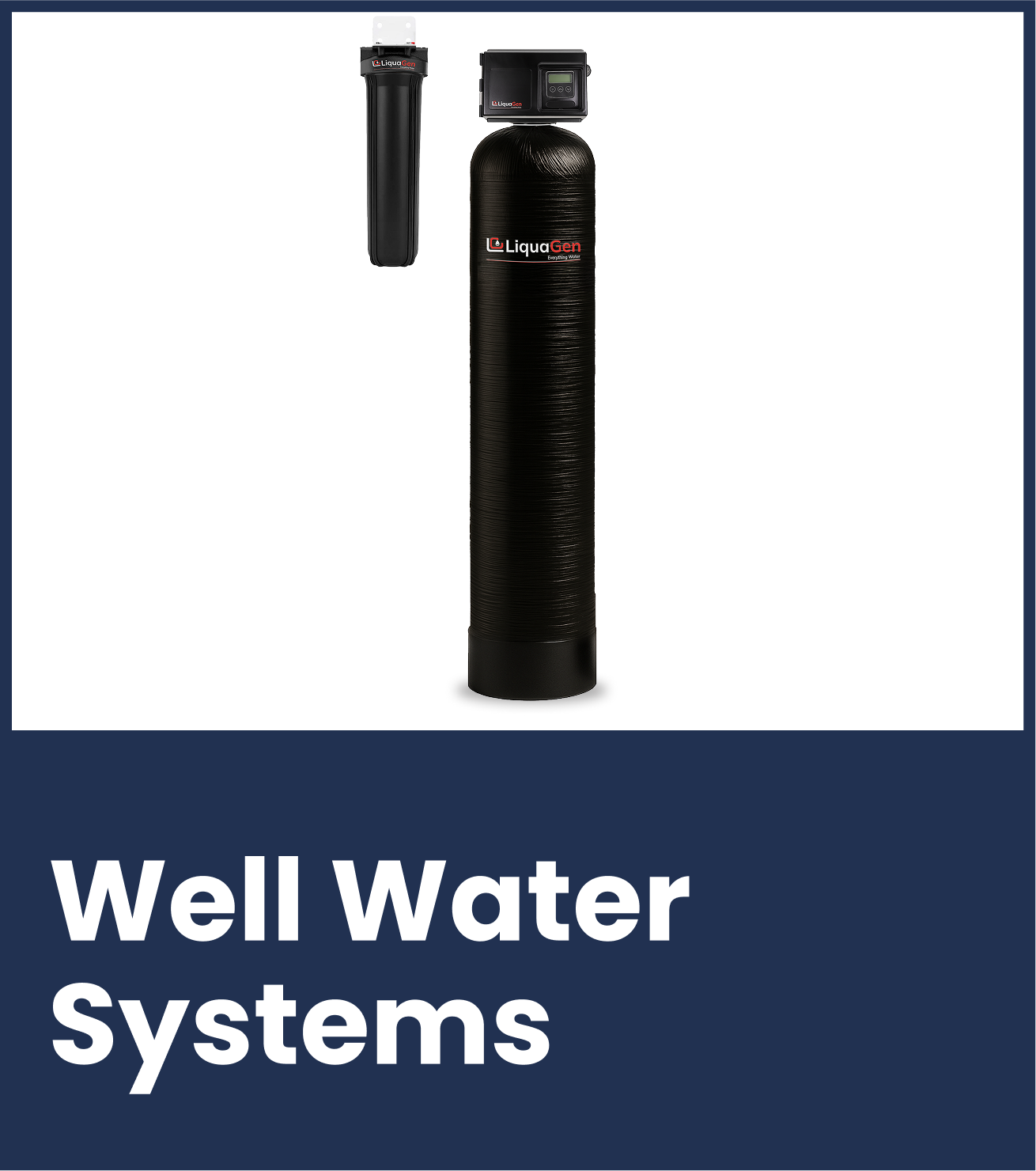
If you use well water, testing becomes even more critical. Wells can be affected by iron, manganese, sulfur, bacteria, pesticides, and runoff contaminants—none of which are regulated by city treatment plants. A complete water analysis helps you choose the best whole house filtration system for your specific water challenges.
Understanding Your Home’s Water Quality
Whether your home uses city water or private well water, the quality of your water can vary more than you think. Municipal water is treated to meet EPA drinking water standards, but that doesn’t mean it’s free from all contaminants. Even after treatment, city water may still contain chlorine, chloramines, sediments, heavy metals, chemicals, and disinfectant by-products that affect taste, odor, and long-term health.
If you use well water, testing becomes even more critical. Wells can be affected by iron, manganese, sulfur, bacteria, pesticides, and runoff contaminants—none of which are regulated by city treatment plants. A complete water analysis helps you choose the best whole house filtration system for your specific water challenges.
Why Choose a Whole House Water Filtration System?
While under-sink and countertop filters are great for drinking water, a whole house system treats the water for your entire home—not just one faucet.
Weekly Hot Picks
Grab It While It's HOT


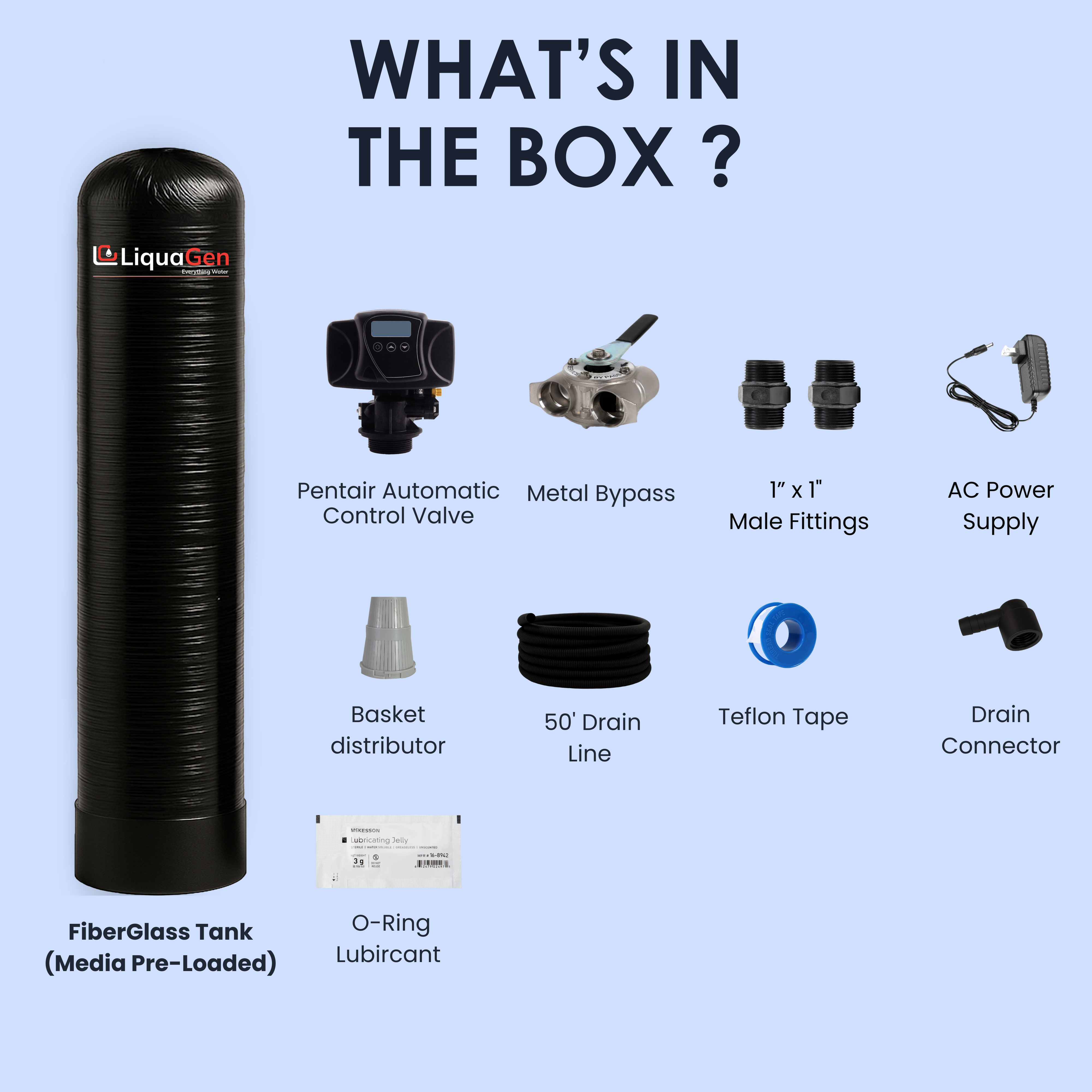
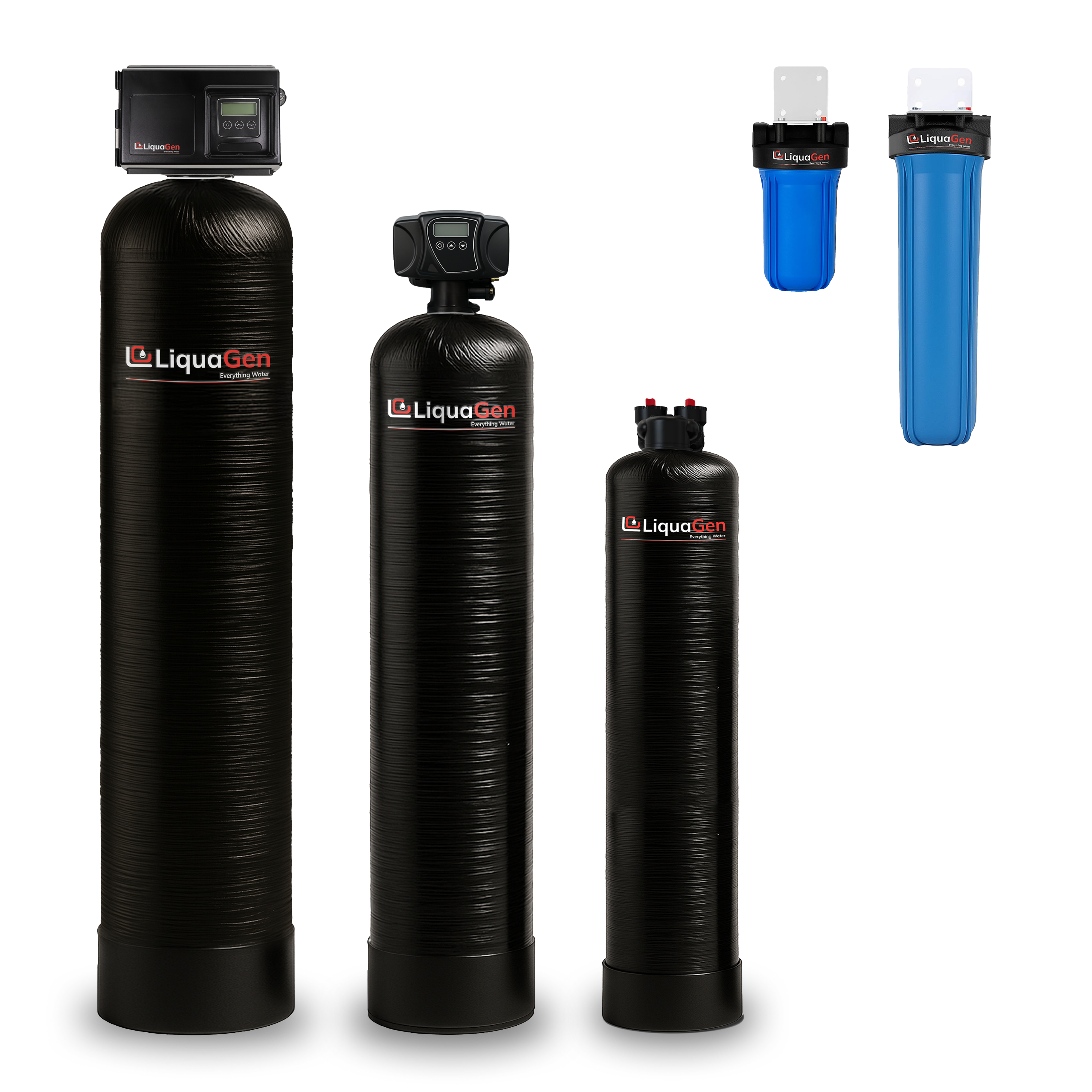
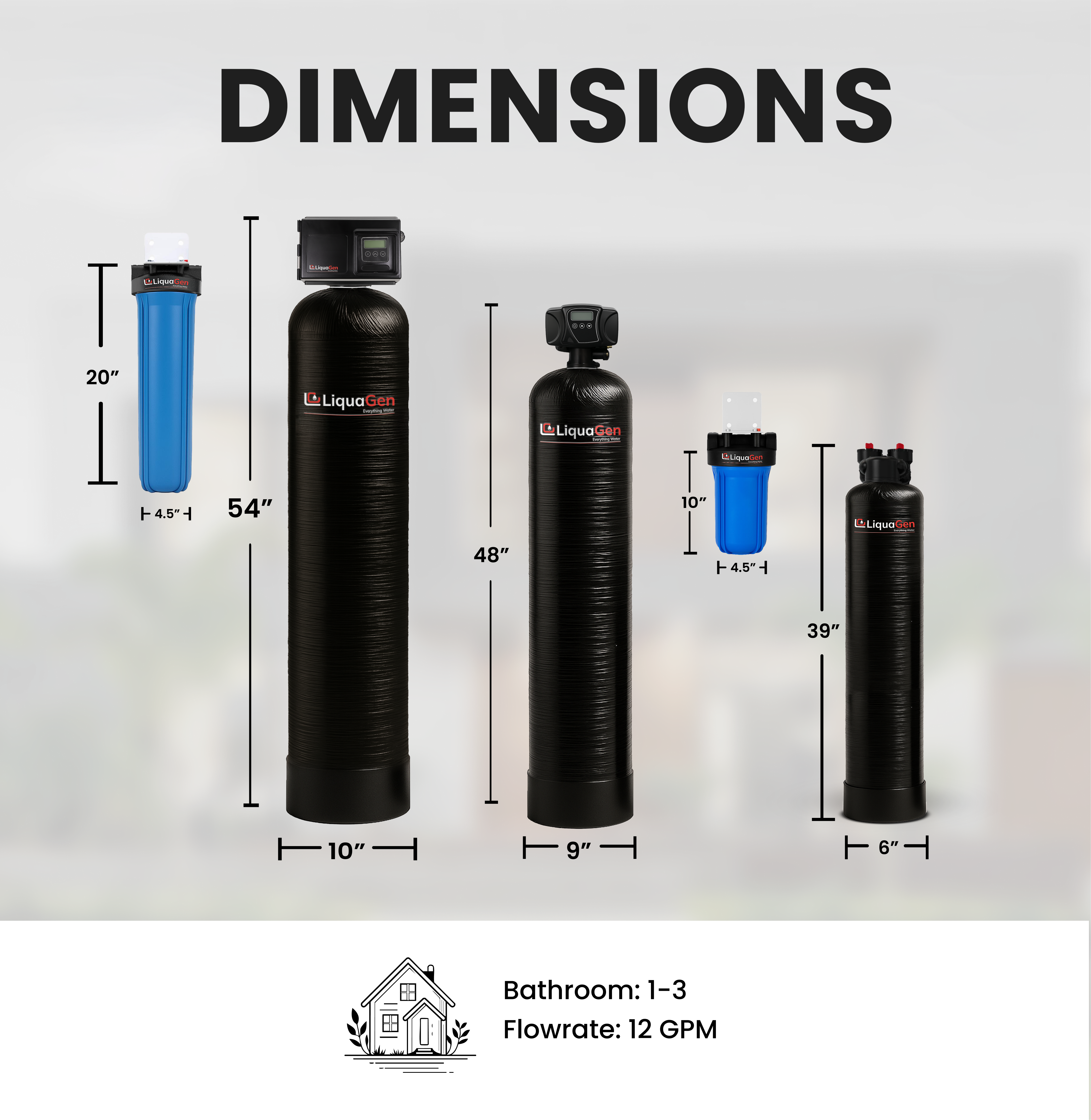
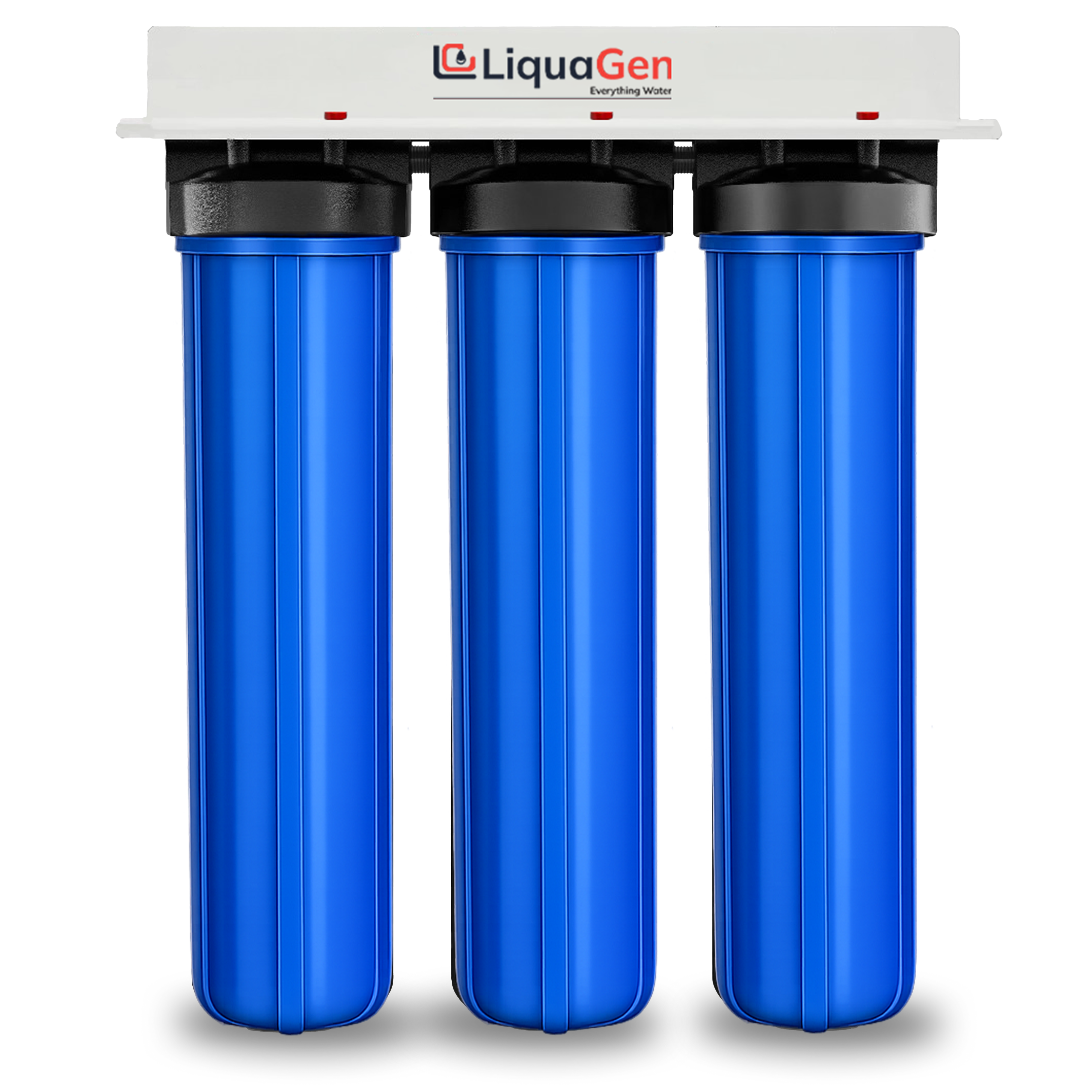
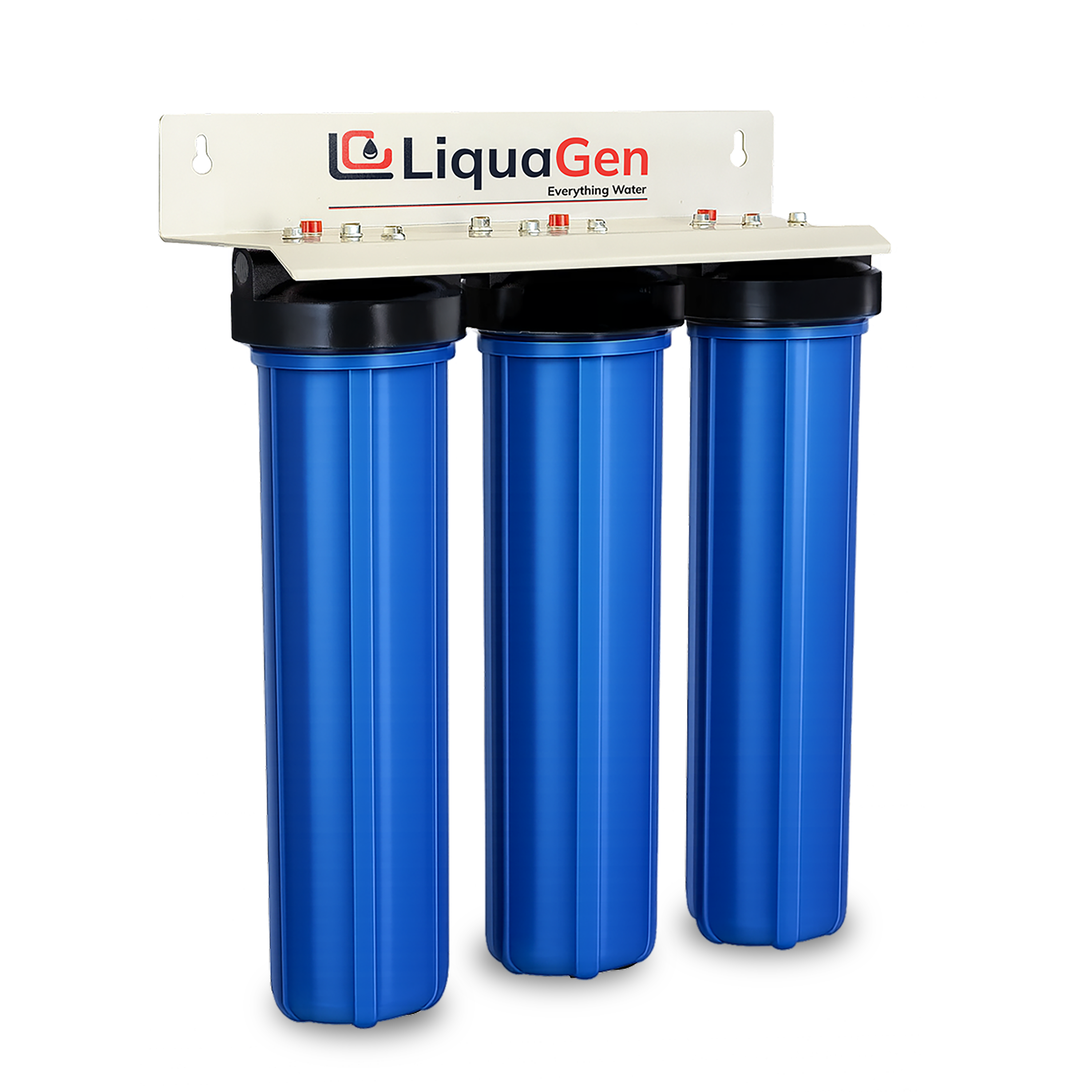
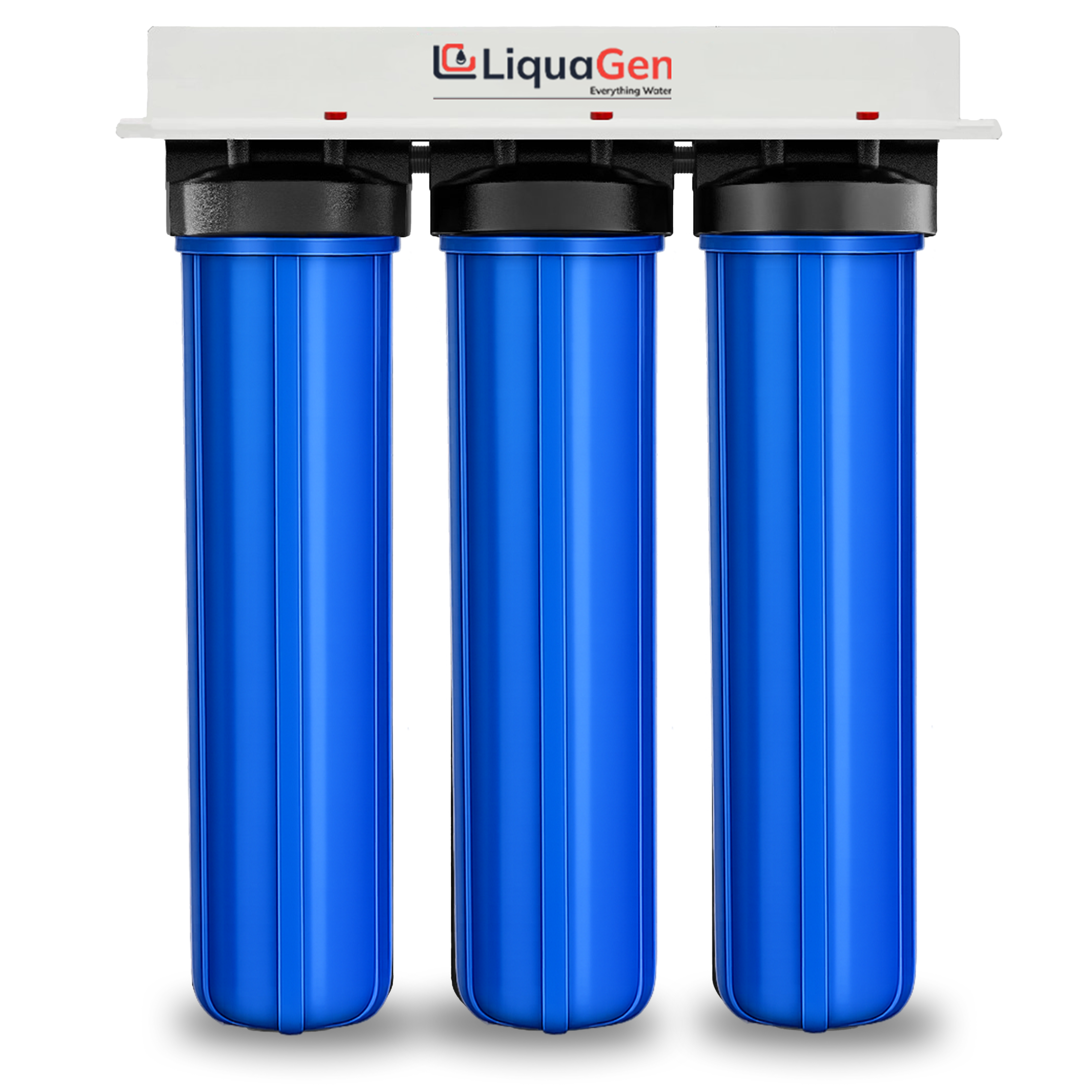
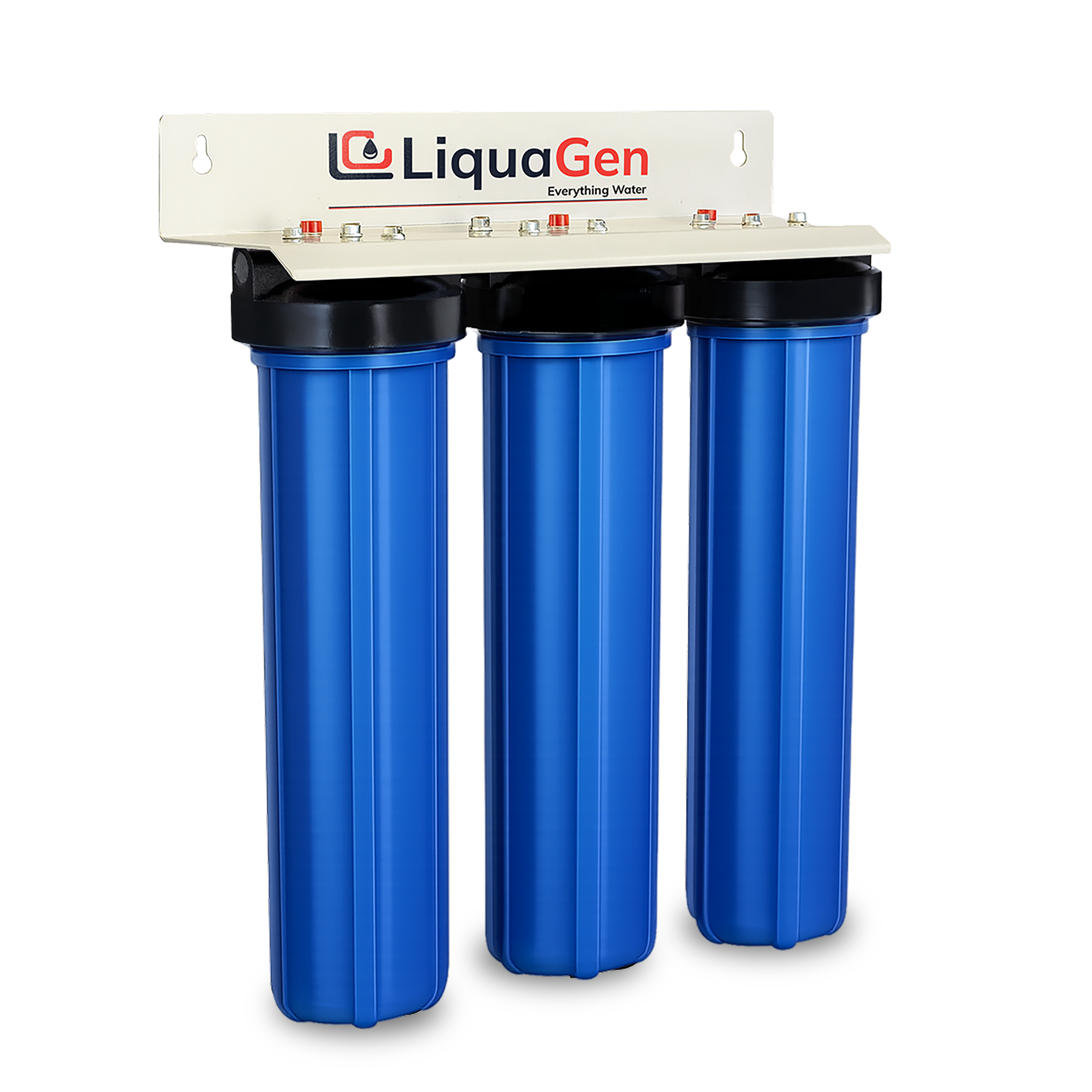

Choosing the Right System for Your Home
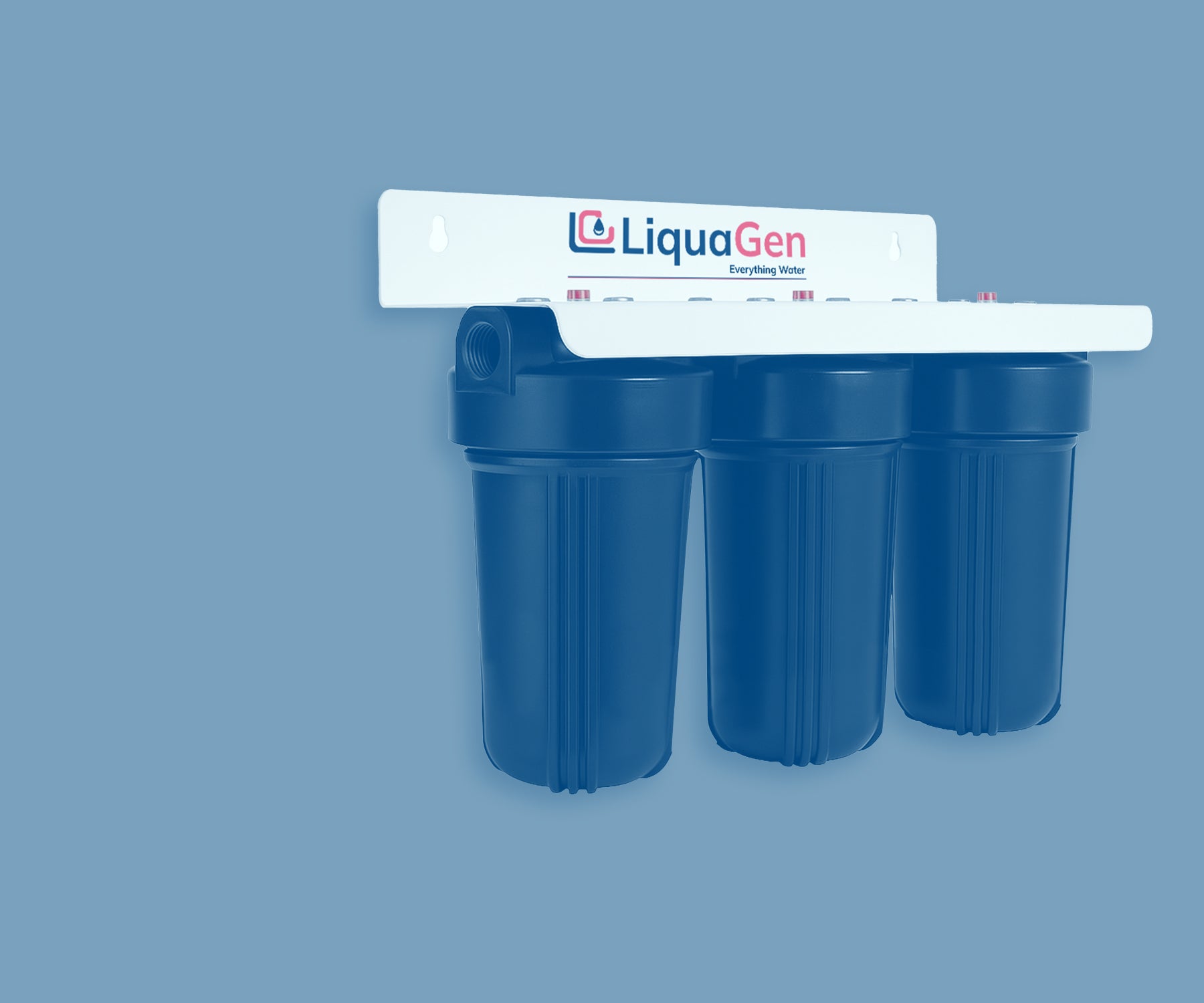
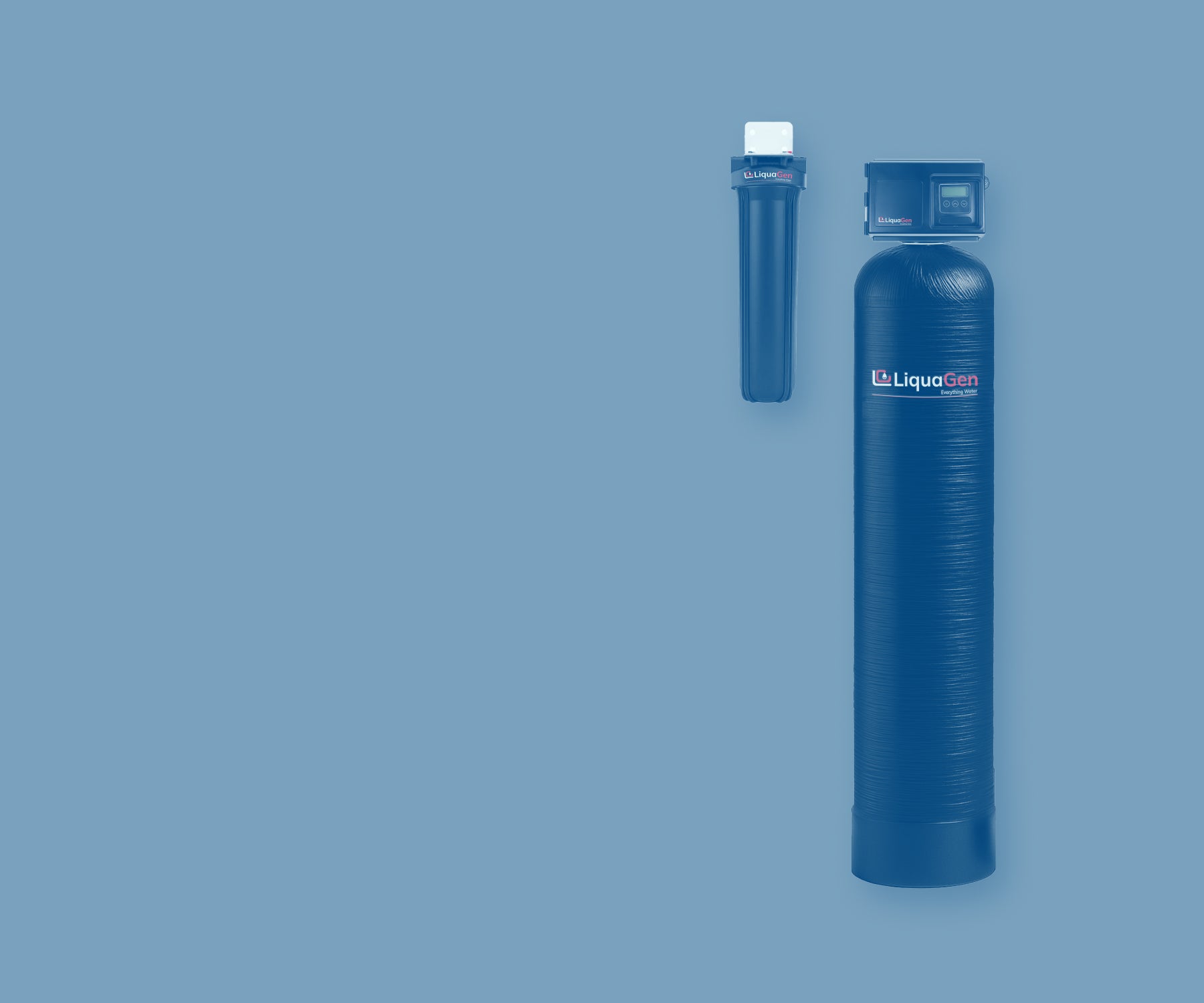
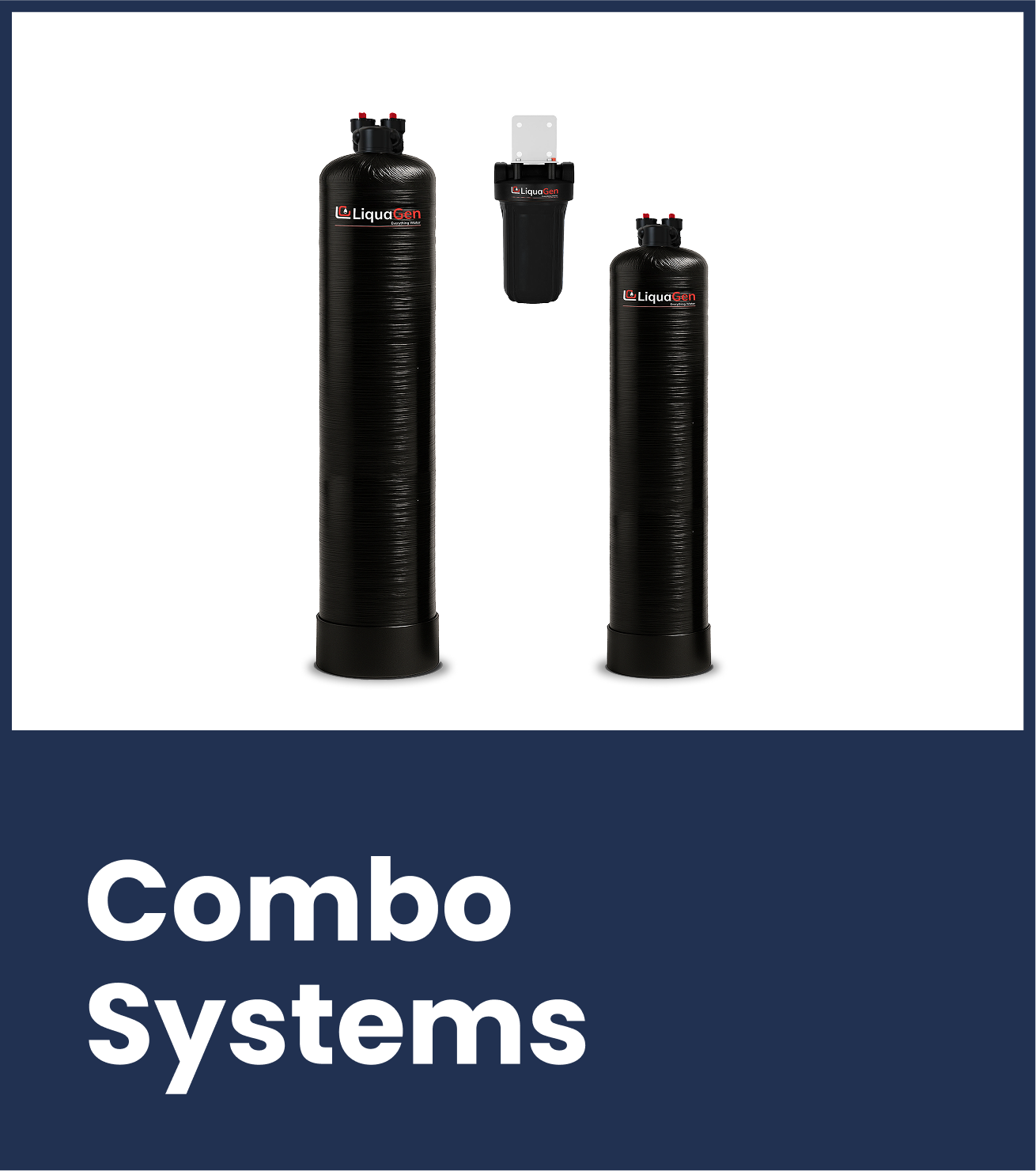
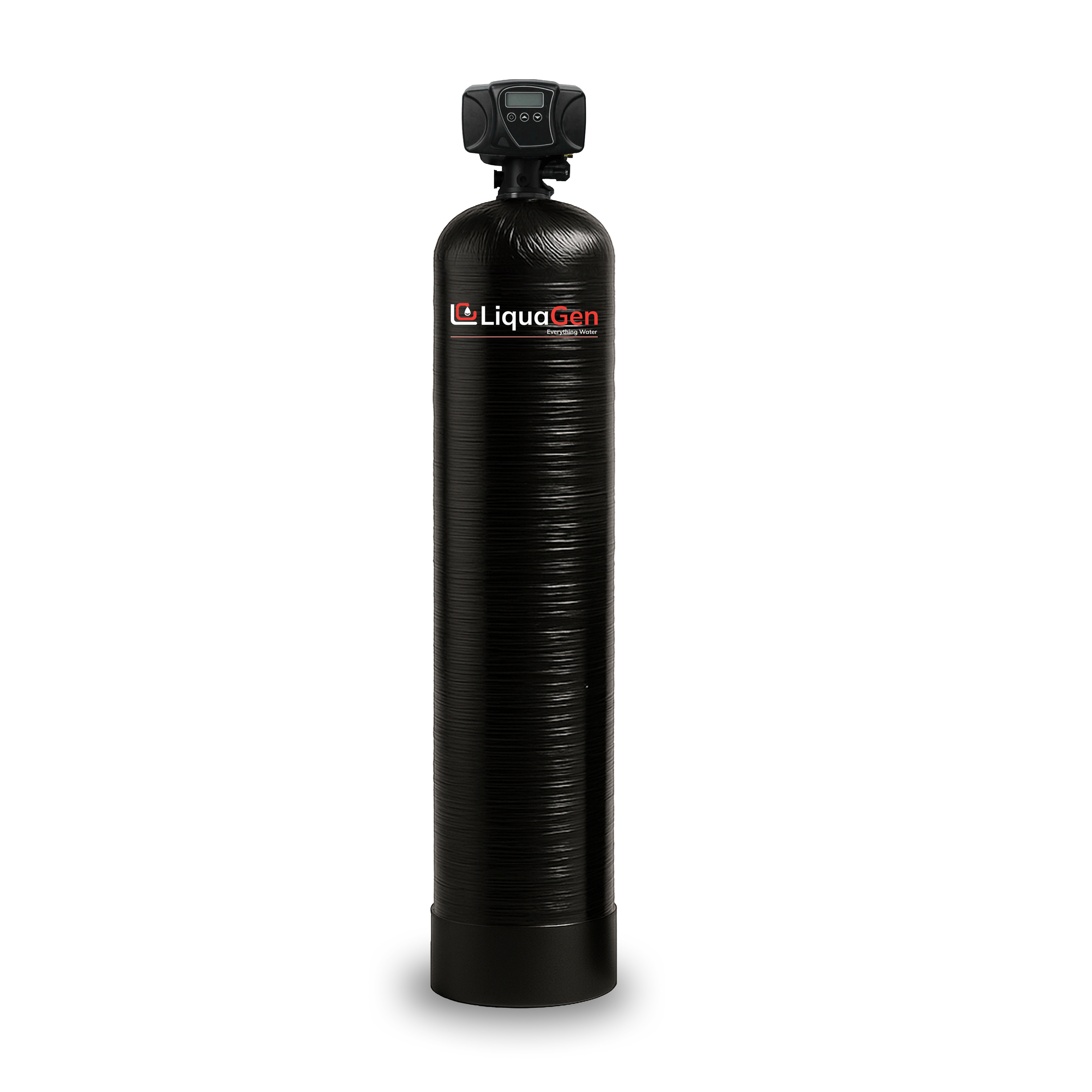
Your Home’s Total Water Upgrade—One Powerful Combo System
Experience the power of multi-stage protection with our Whole House Combo Systems—engineered to target today’s most common water contaminants while delivering cleaner, softer, better-tasting water throughout your entire home.
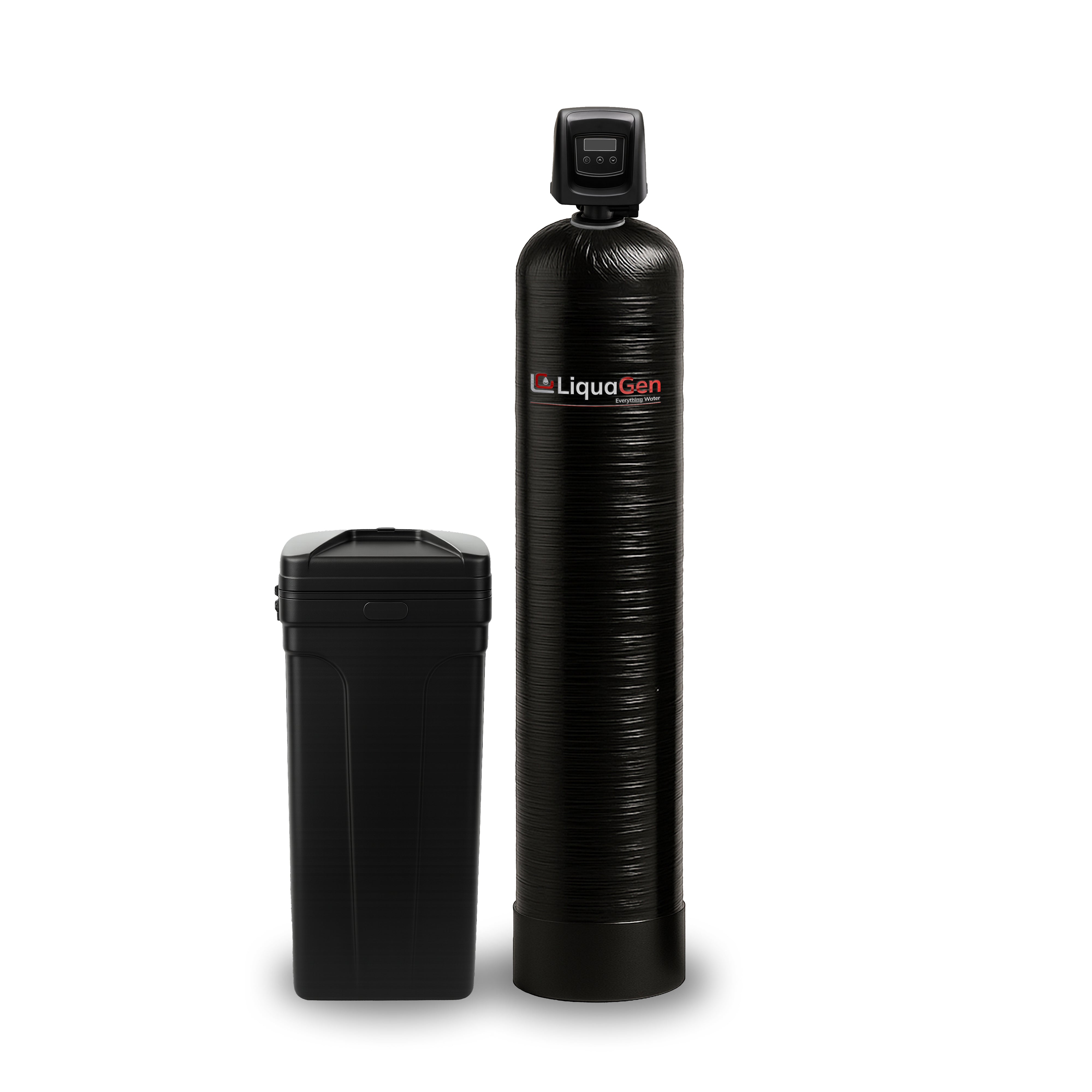
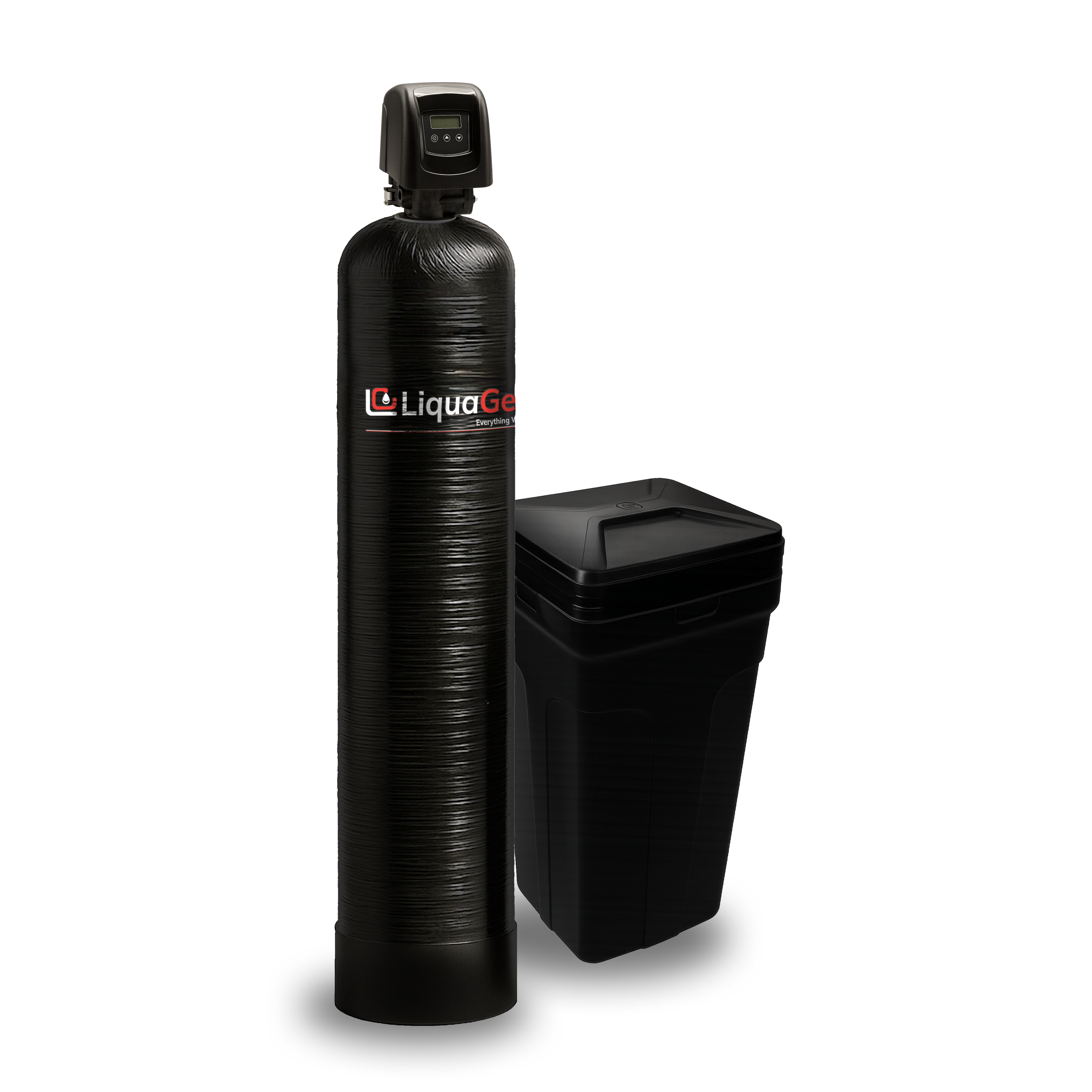


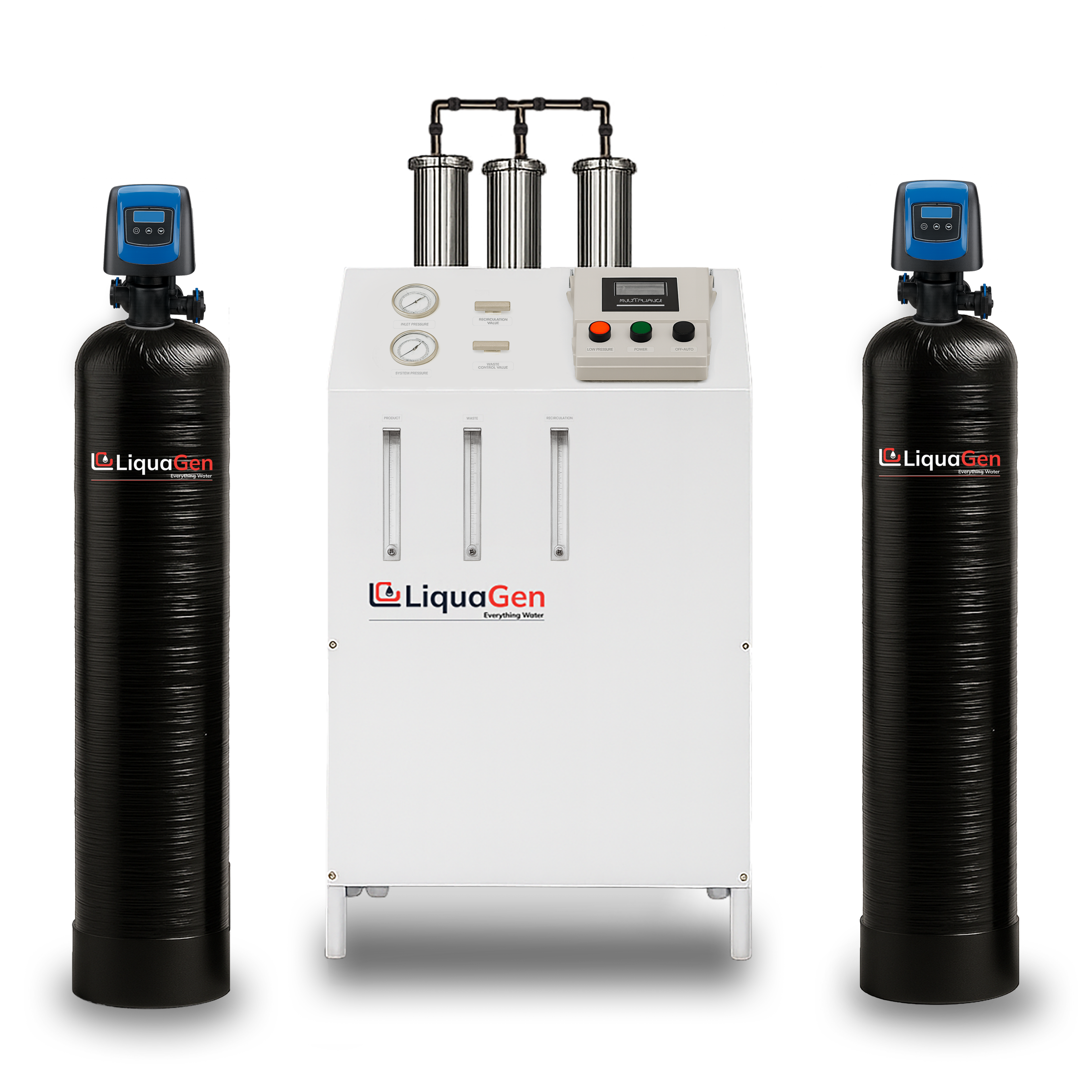
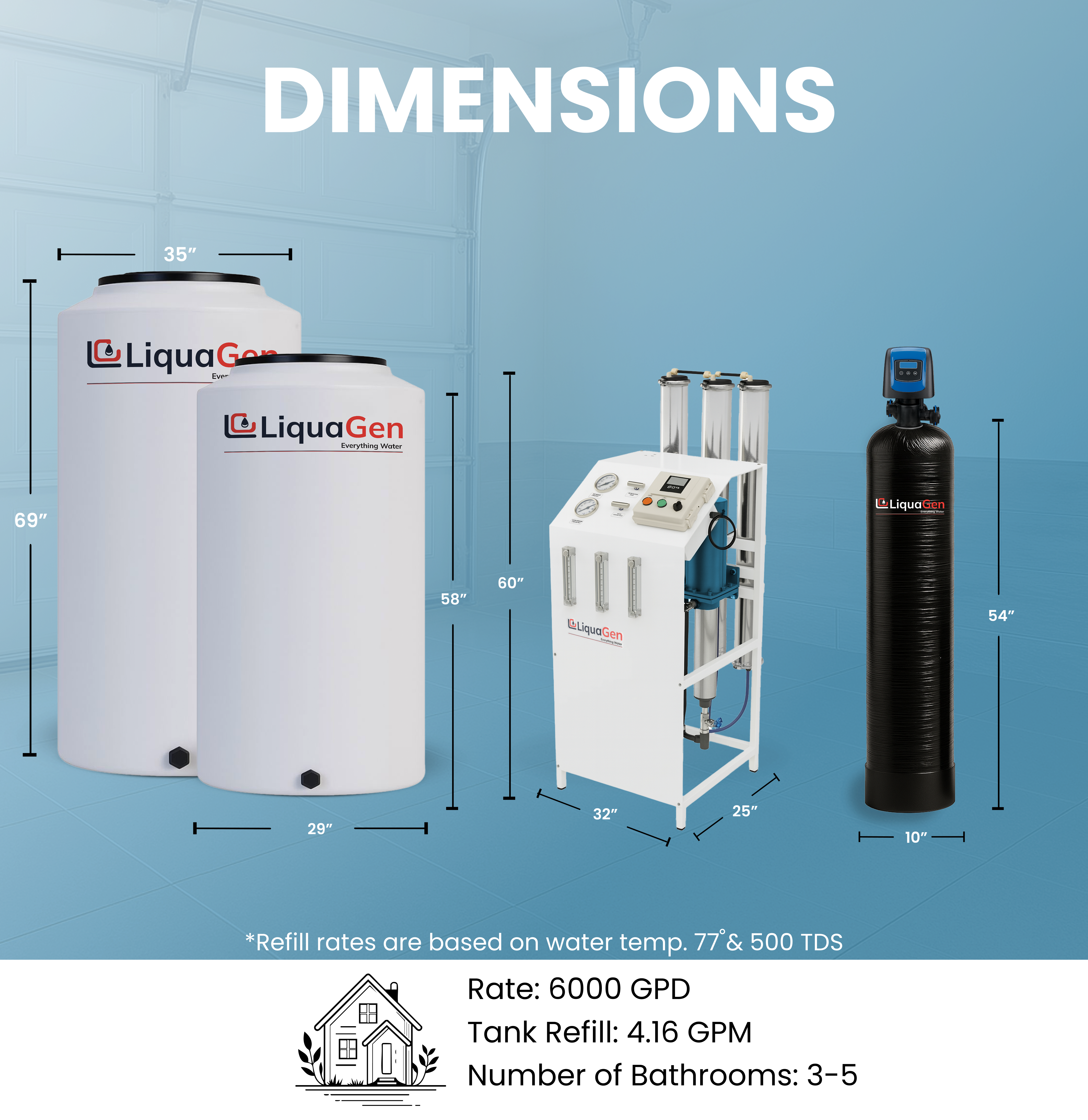
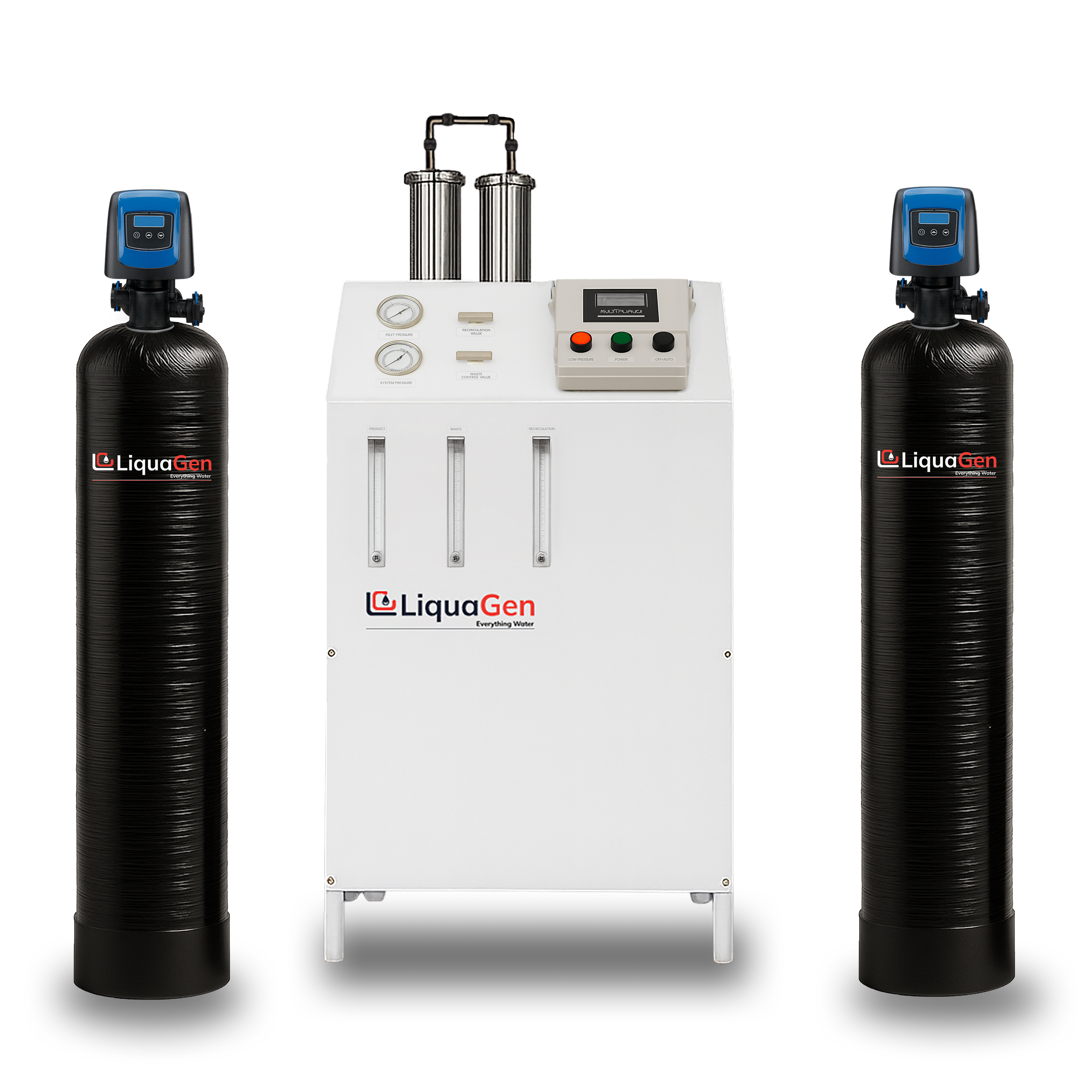
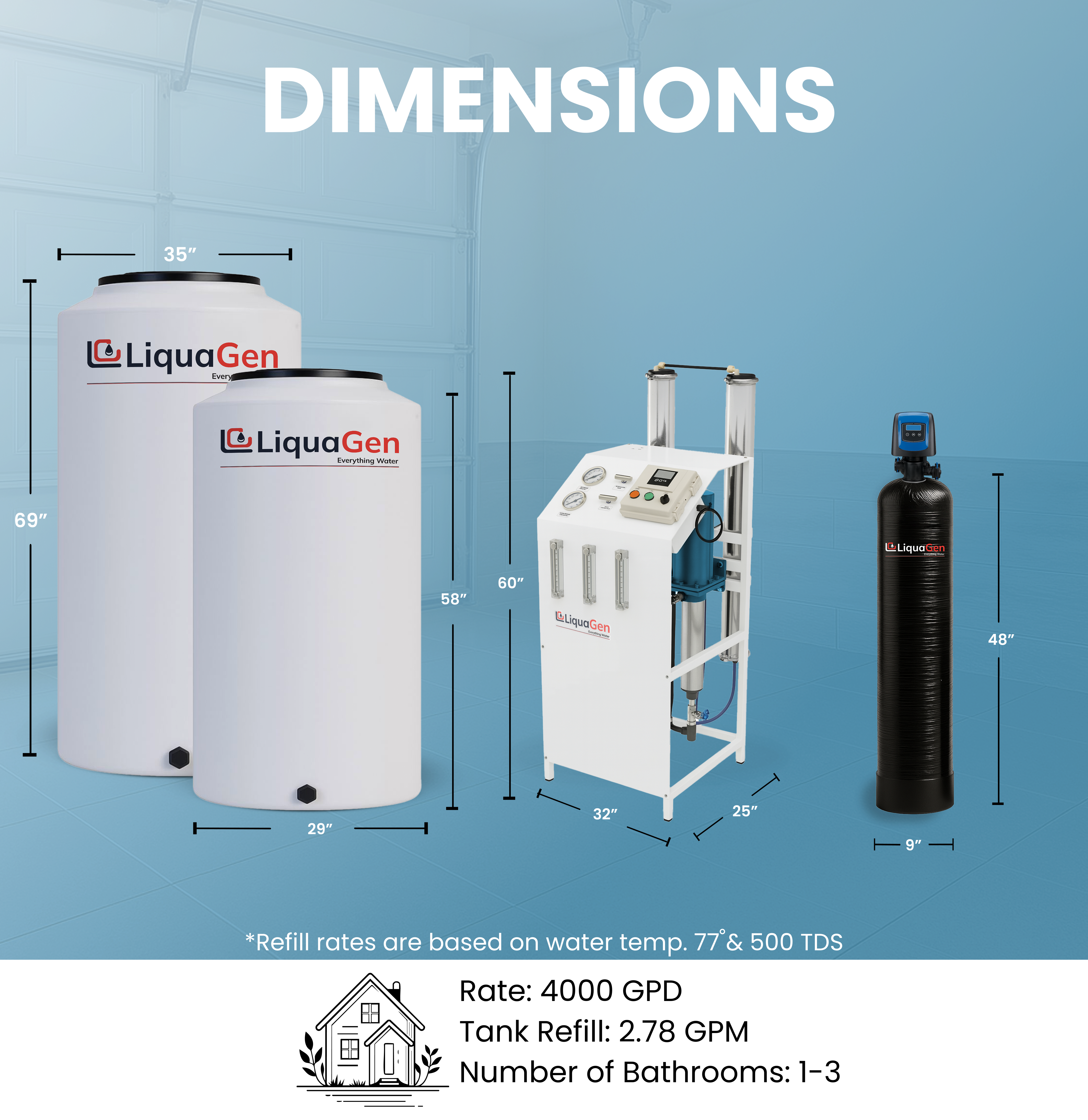

Our drinking water systems use advanced Reverse Osmosis and high-performance filters to remove a wide range of contaminants. With optional remineralization, inline filters, and easy replacement packs, you get clean, great-tasting water at home.
Explore More Systems
Explore specialized water treatment systems for estate homes, rainwater harvesting, compact installations, and RV/off-grid setups. Designed to deliver clean, safe, great-tasting water no matter your plumbing size, water source, or space limitations.